
Forest Carbon Inventory
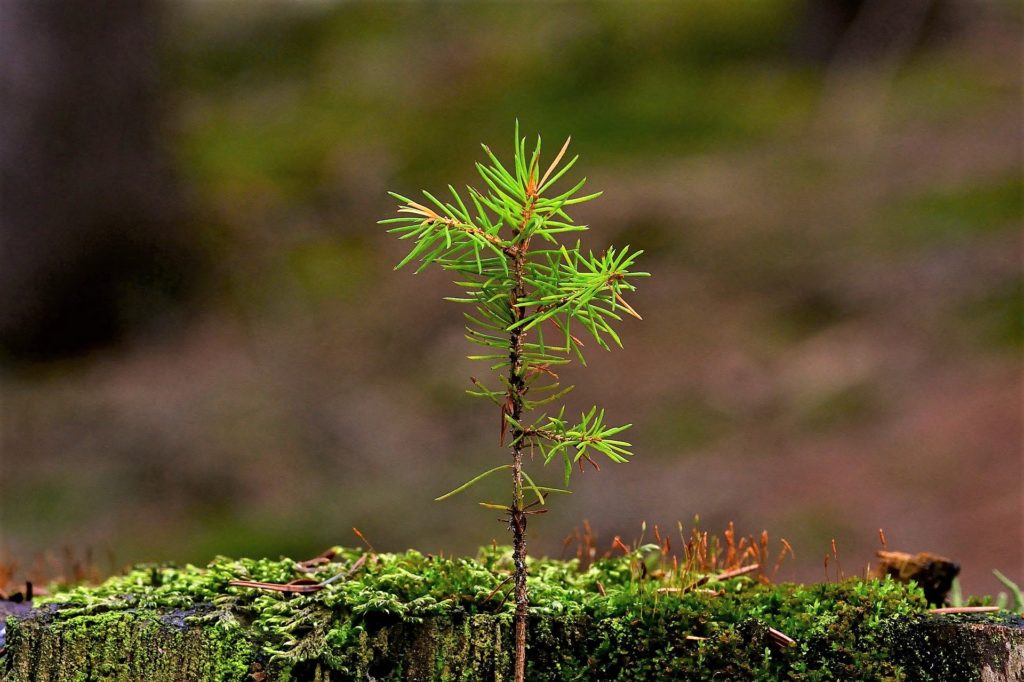
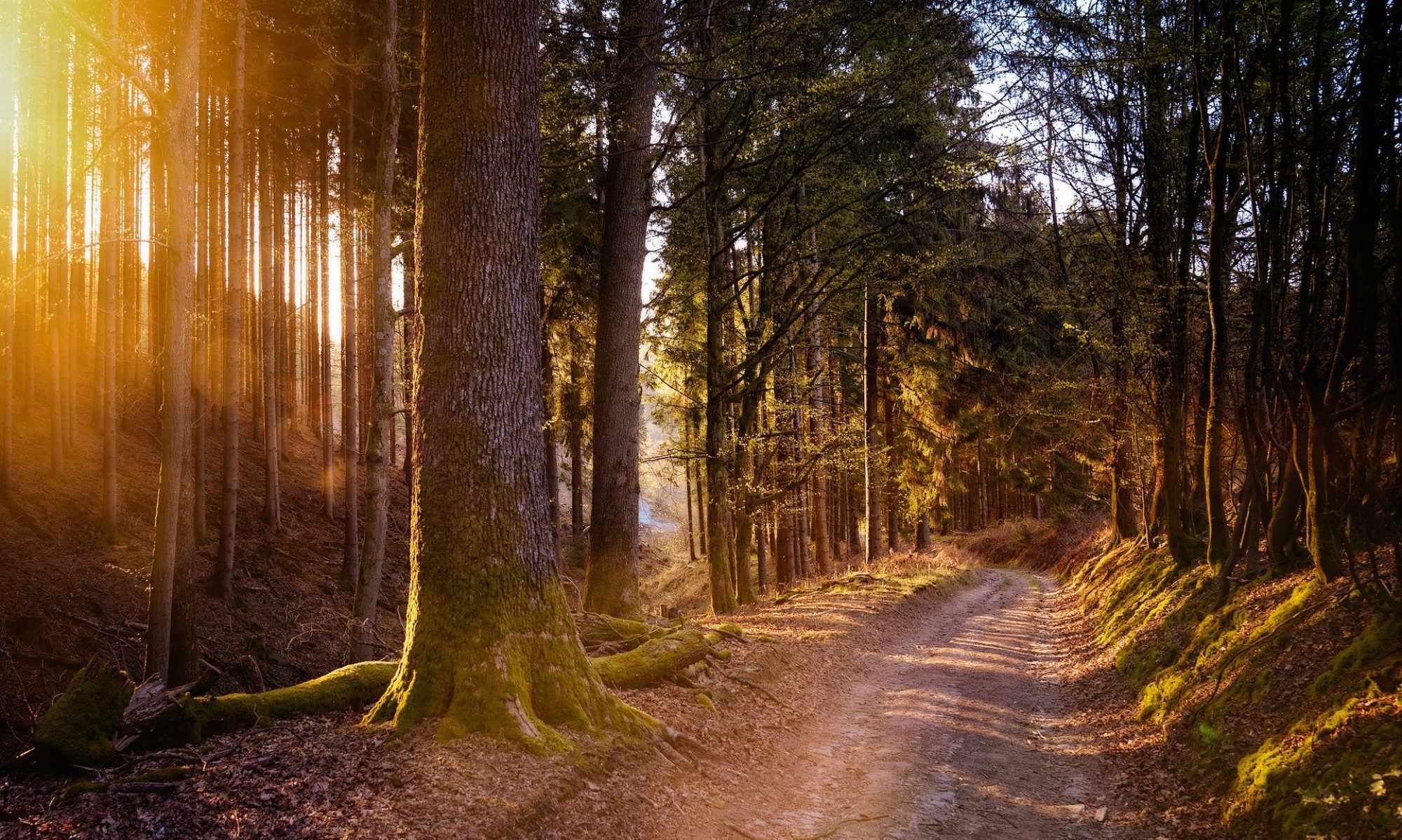
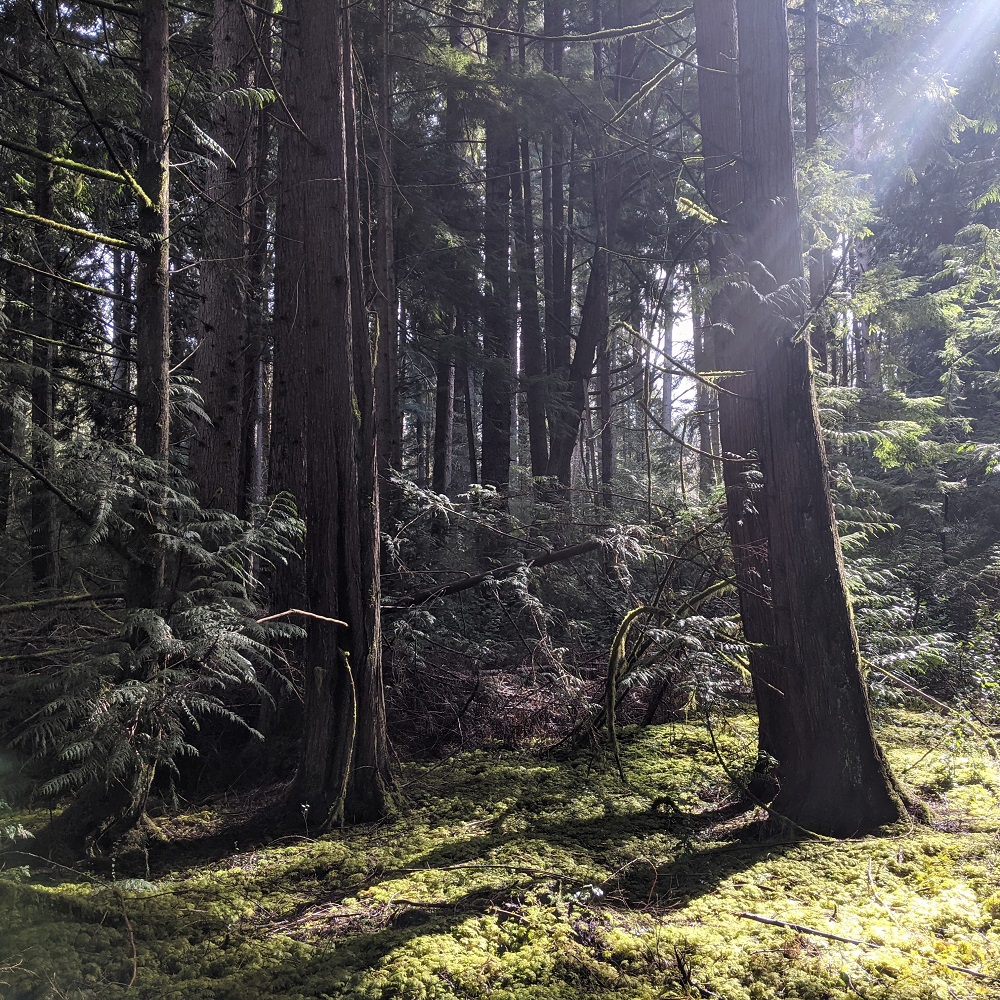
We joined forces with Resilient Forestry LLC to take on a large forest inventory project, helping a local land trust enroll their property in a forest carbon offset program. As a result of our collaborative work, we delivered precision data to the client, and ultimately, opened up a new revenue source for a landowner with habitat conservation as their primary management goal. Together, we’re helping Washington meet the demand for authentic carbon offset credits based on verifiable carbon sequestration.

Stakeholder Survey Data Analysis
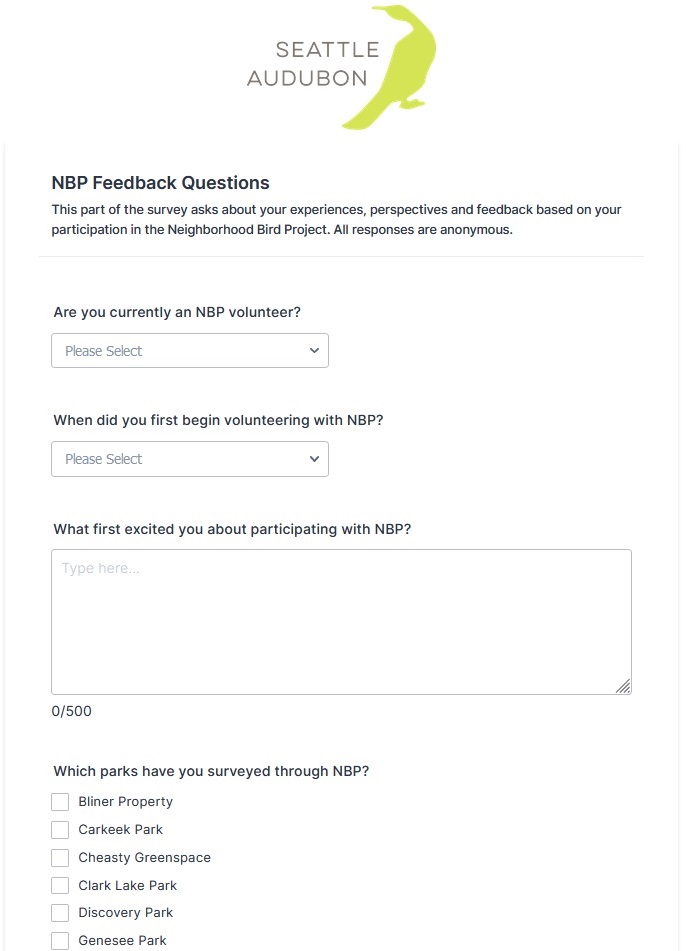
For over 20 years, community scientists have monitored bird diversity through Seattle Audubon‘s Neighborhood Bird Project (NBP), a long-term ecological monitoring program based in Seattle. Together with Restoration Analytics and Design LLC, we designed and implemented a stakeholder survey to better understand the identities, experiences and insights of the volunteers who power NBP.
Through a collaborative process with Seattle Audubon staff, we designed survey questions to address program needs and research goals, while also prioritizing inclusion, transparency and privacy for the survey participants. During implementation of the stakeholder survey, we followed best practices for informed consent and data management, resulting in a high response rate and thoughtful engagement by the NBP volunteers. We are currently in the process of analyzing the survey data and synthesizing the responses.
Our next step will be to dive deeper into the ecological monitoring data, guided by the knowledge and insights of hundreds of community scientists.
Sword Fern Research
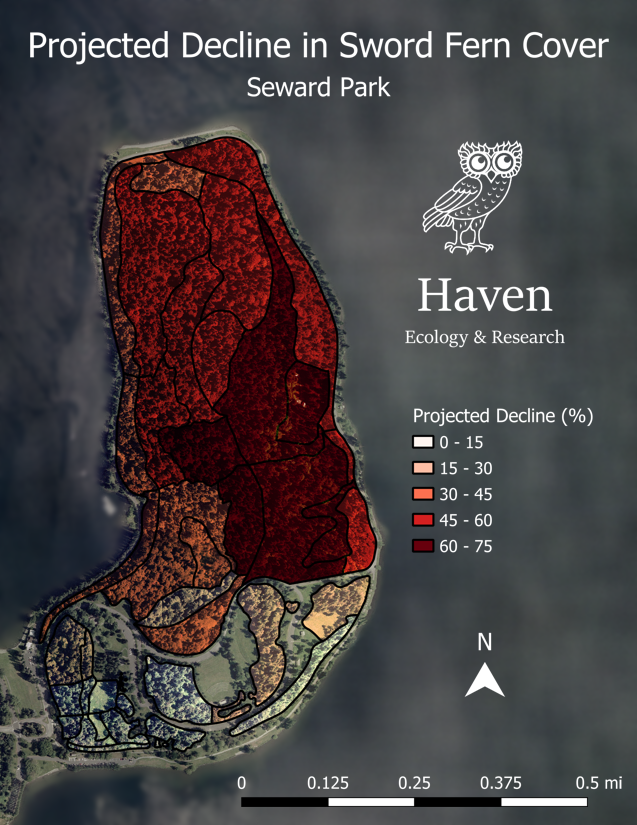
At dozens of locations throughout Western Washington, sword ferns (Polystichum munitum) are rapidly declining in sudden mortality events that can be easily mistaken for drought stress. Although recent studies suggest that a pathogen may be involved, the phenomenon remains unexplained.
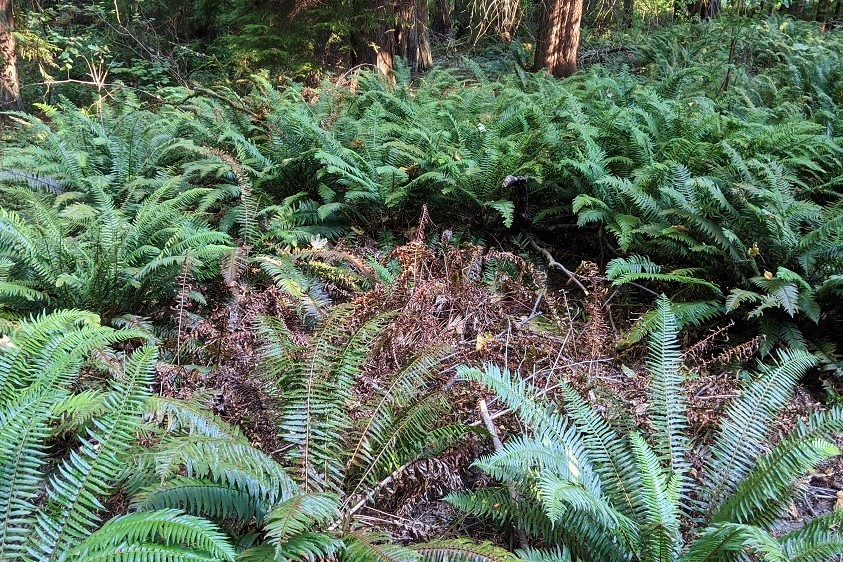
In collaboration with Friends of Seward Park and MPG Ranch, we are exploring multiple hypotheses that could explain the phenomenon, including potential interactions between soils, plant communities, and endophytic microorganisms. Our preliminary analysis focuses on the potential influence of soil physical properties and seasonal drought conditions. In the next phase of our project, we will use high-throughput DNA sequencing to screen for potential pathogens.
Resources
To access raw data, photos and other miscellaneous files related to the project, please see our GitHub repository. Our preliminary report is available here:
Invasive Species Management Plan
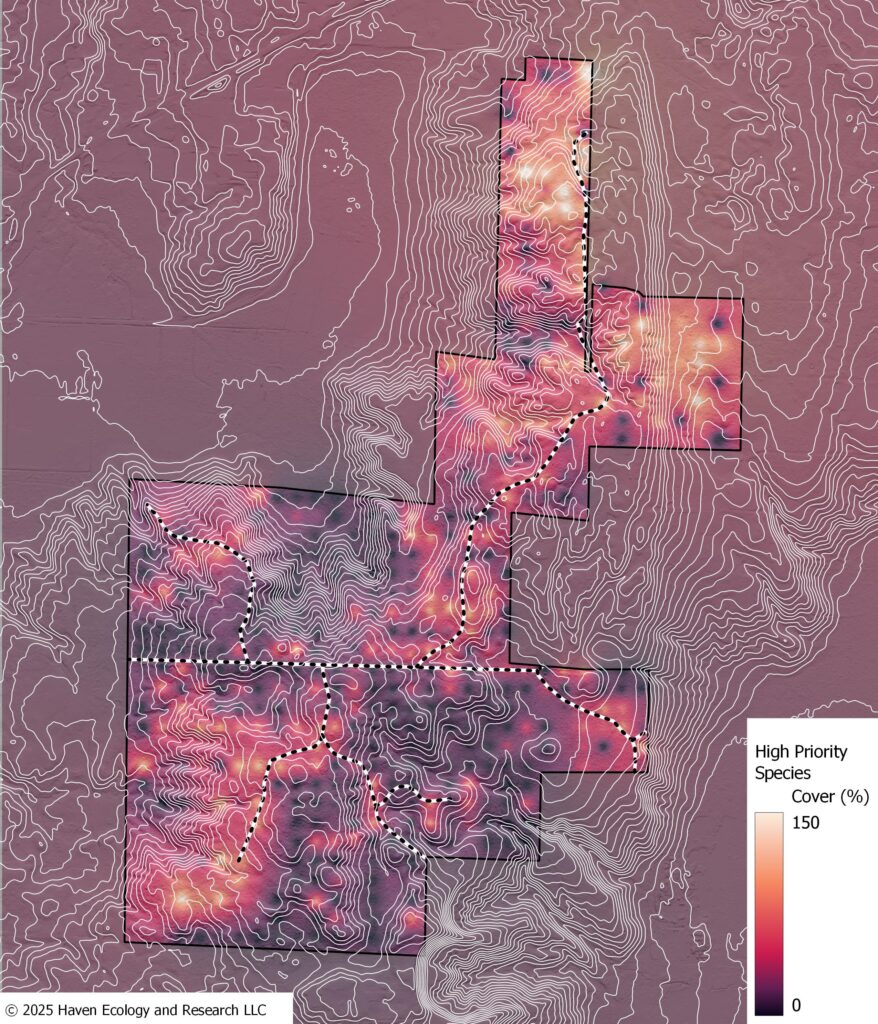
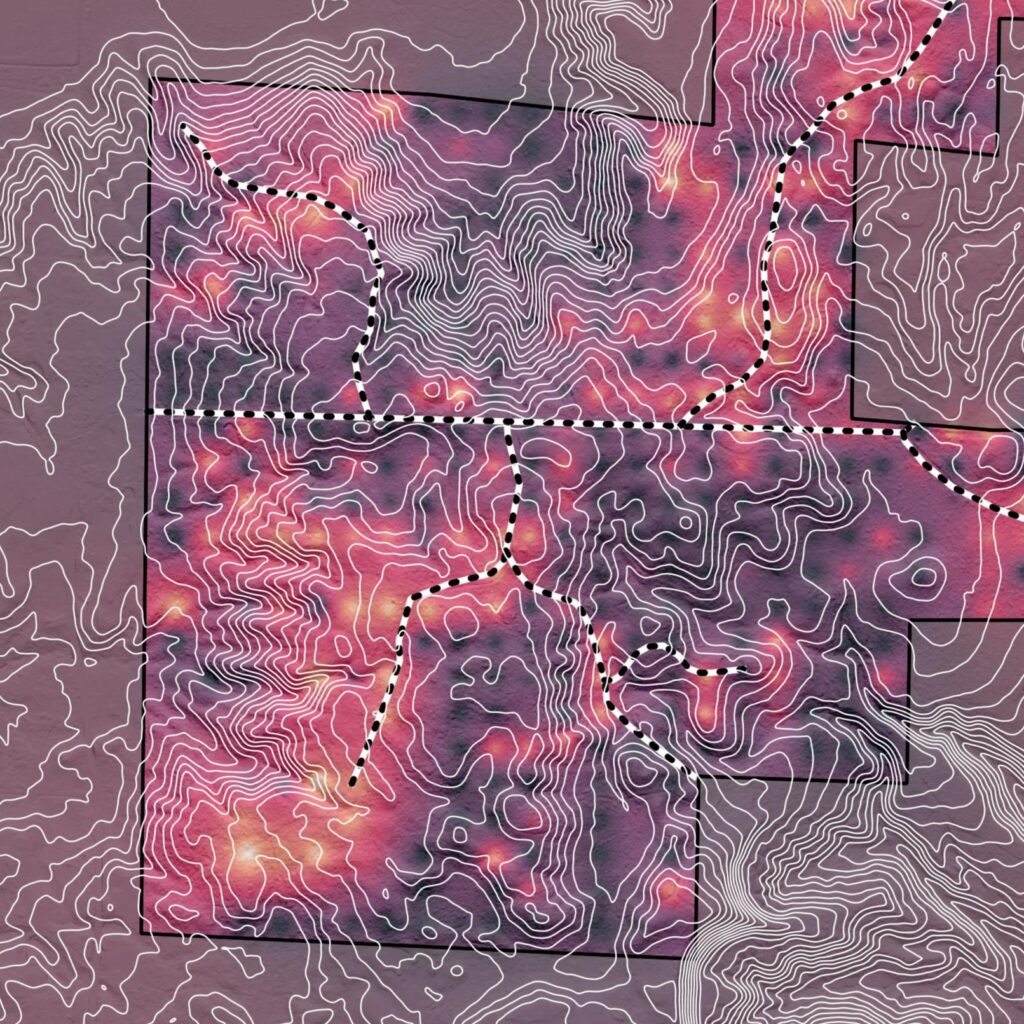
We collaborated with another ecological forestry consultant, NNRG, to write the forest management plan for Great Peninsula Consevancy‘s latest community forest, The Divide. We also developed a specialized management plant for controlling invasive plant species. The invasive species management plan involved surveying hundreds of vegetation plots across 467 acres of forest land. We also delineated wetlands to help identify climate change refugia.
Climate Change Adaptation Research
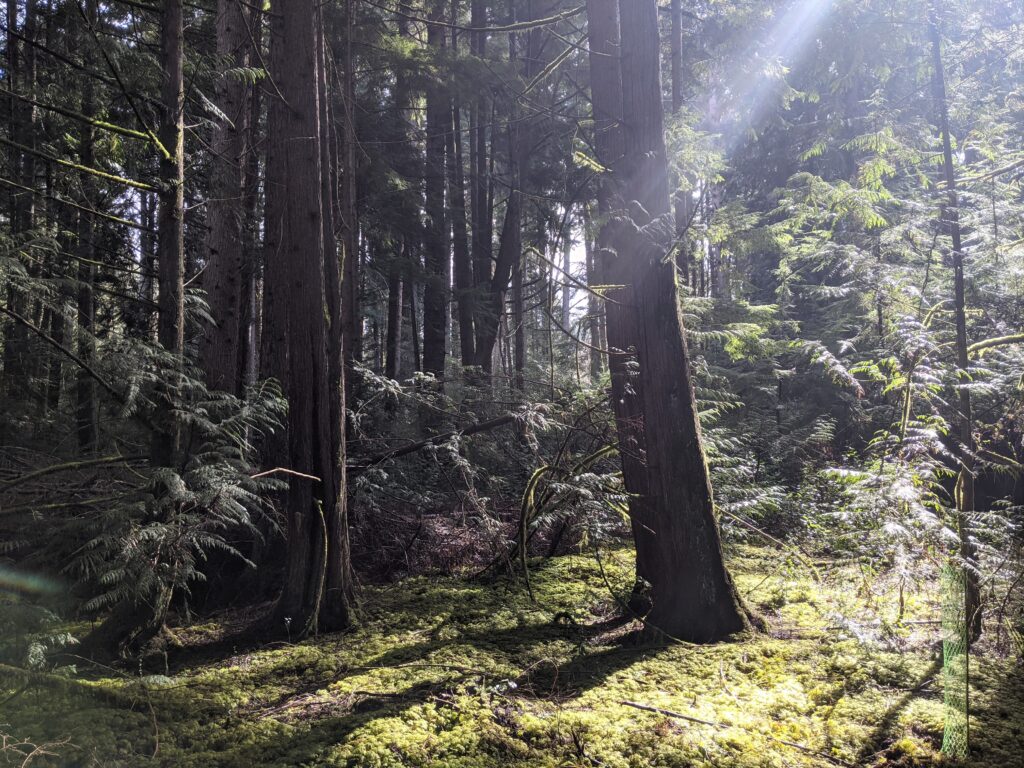
In an ongoing research study, we are working with Great Peninsula Conservancy and a small forest landowner to evaluate the effectiveness of using assisted migration with western redcedar (Thuja plicata). By comparing a local genotype sourced from the Puget Sound region with a relocated genotype sourced from a drier location in Oregon, we hope to determine whether the local-is-best mantra continues to be a viable strategy for the future forests of the Pacific Northwest
NEPA Soil Study
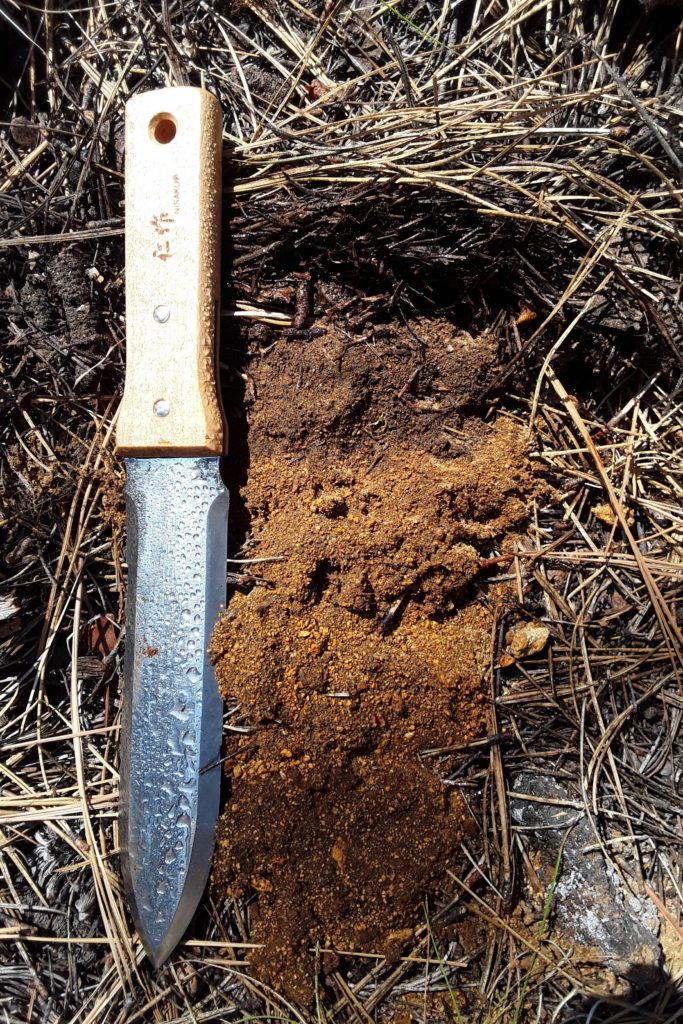
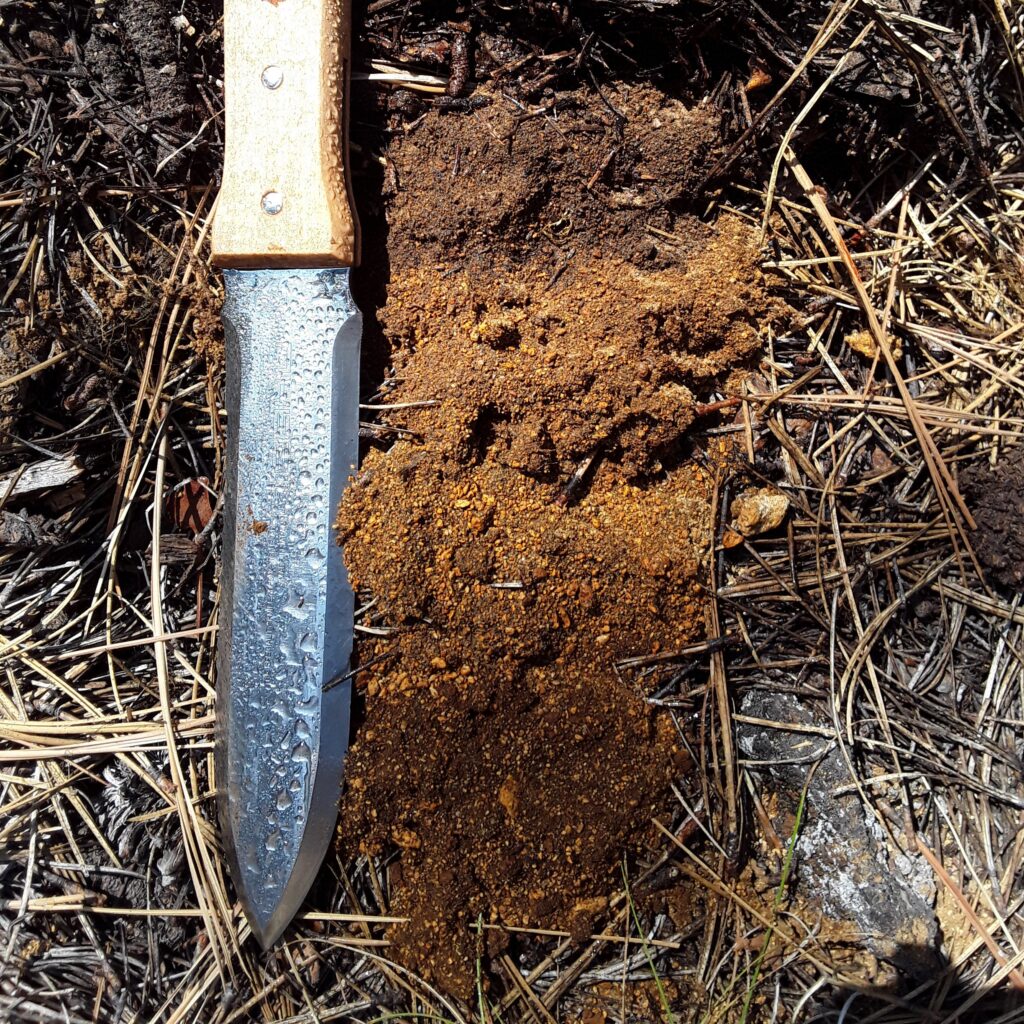
For this project, Haven served as the soil science lead on a NEPA study in the Deschutes National Forest. We inventoried soil resources to develop best practices for implementing a forest restoration treatment, particularly to protect sensitive soils from erosion and compaction associated with heavy equipment. We also inventoried coarse woody debris to better understand fuel loading and assist wildfire specialists with their prescriptions.
Himalayan Blackberry Research
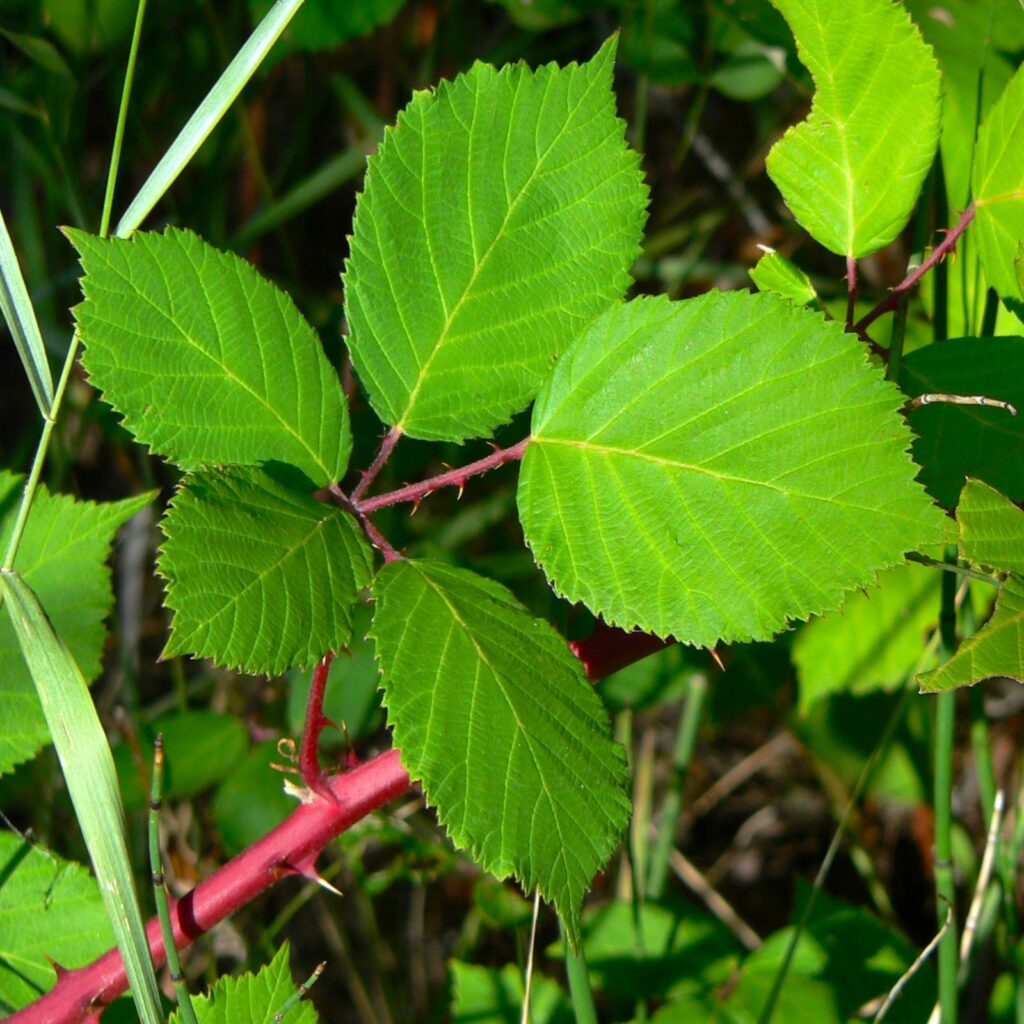
Why are invasive blackberry thickets so resilient to treatment? In this ongoing research project, we are investigating the capacity of Himalayan blackberry (Rubus bifrons) to reproduce from the seed bank following invasive removal or herbicide application, as well as its capacity to vegetatively reproduce from remnant roots or shoots left behind.
Our preliminary results suggest that Himalayan blackberry can reproduce from fine root fragments left behind in the soil after manual removal.
Sea-Level Rise Projections
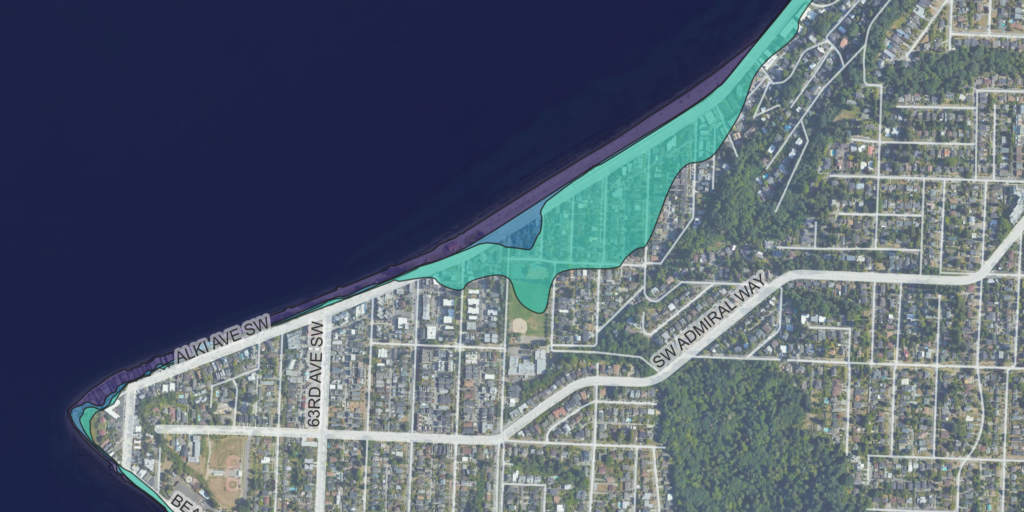
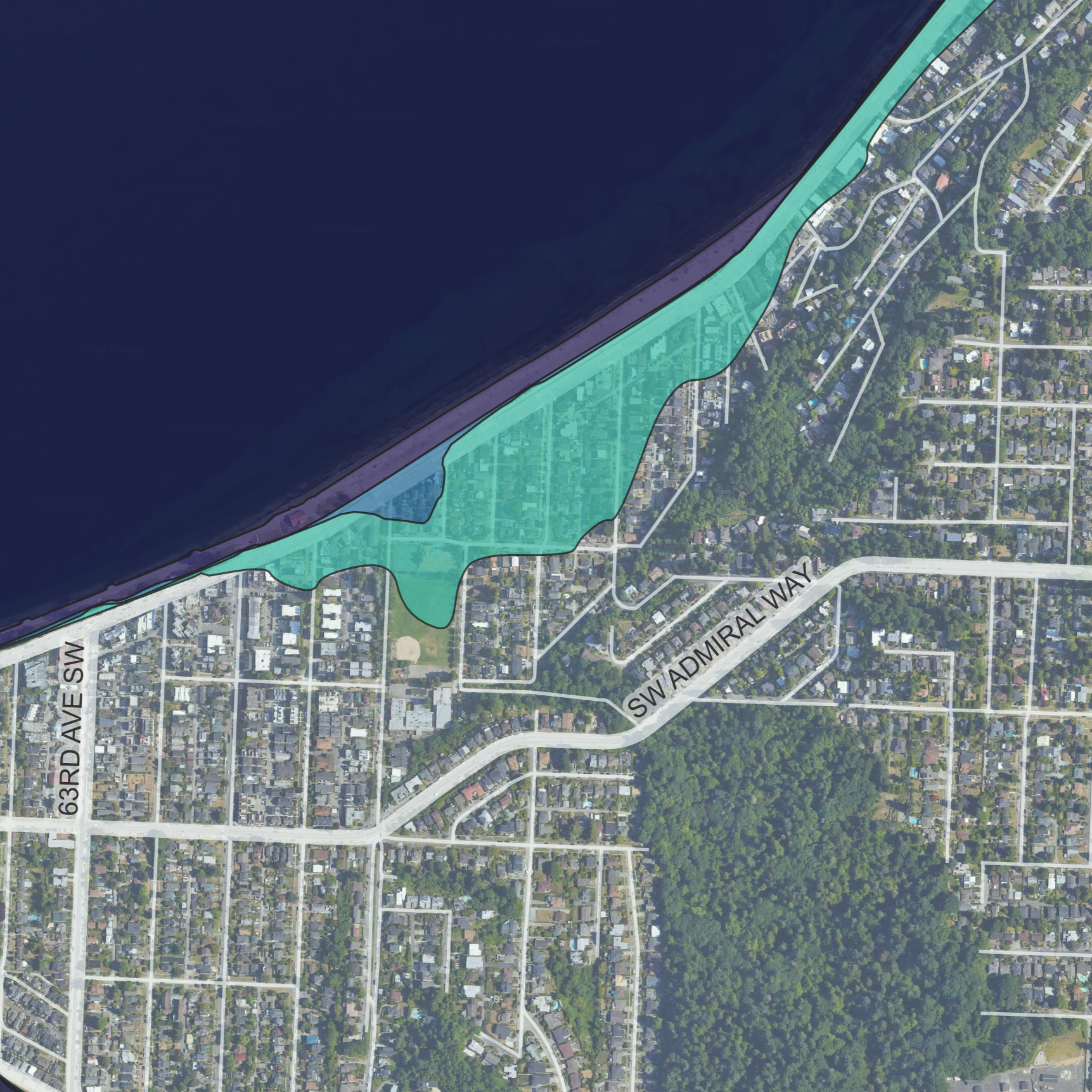
As part of our workflow for conducting climate change vulnerability assessments, we evaluate the exposure and sensitively of shoreline areas to projected sea-level rise. In this project, we helped a landowner assess the flooding risk under a future “King Tide” event in the year 2100 under a high-end climate change scenario (RCP 8.5). We identified an area in the Alki neighborhood of Seattle that is especially vulnerable future storm surges amplified by sea-level rise.
Wolf Creek Ravine Forest Management Plan
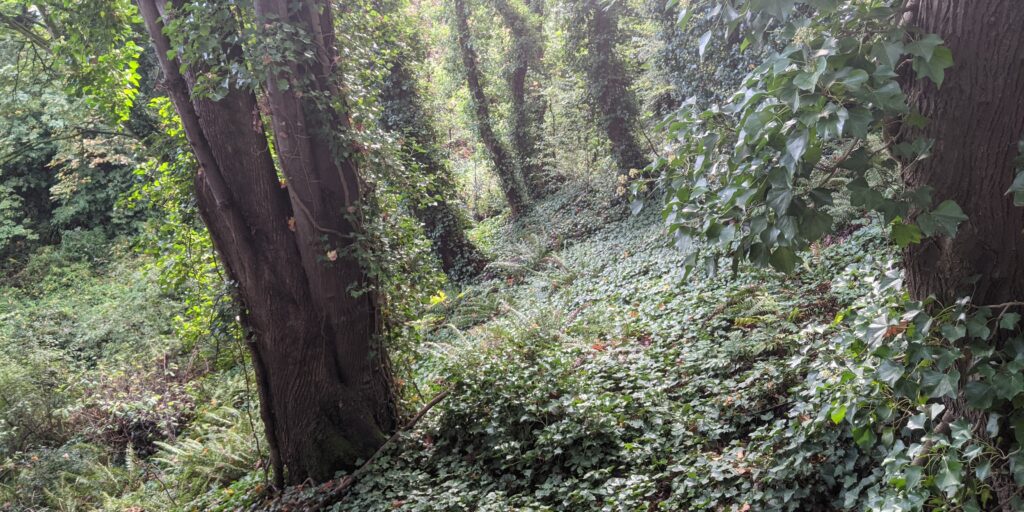
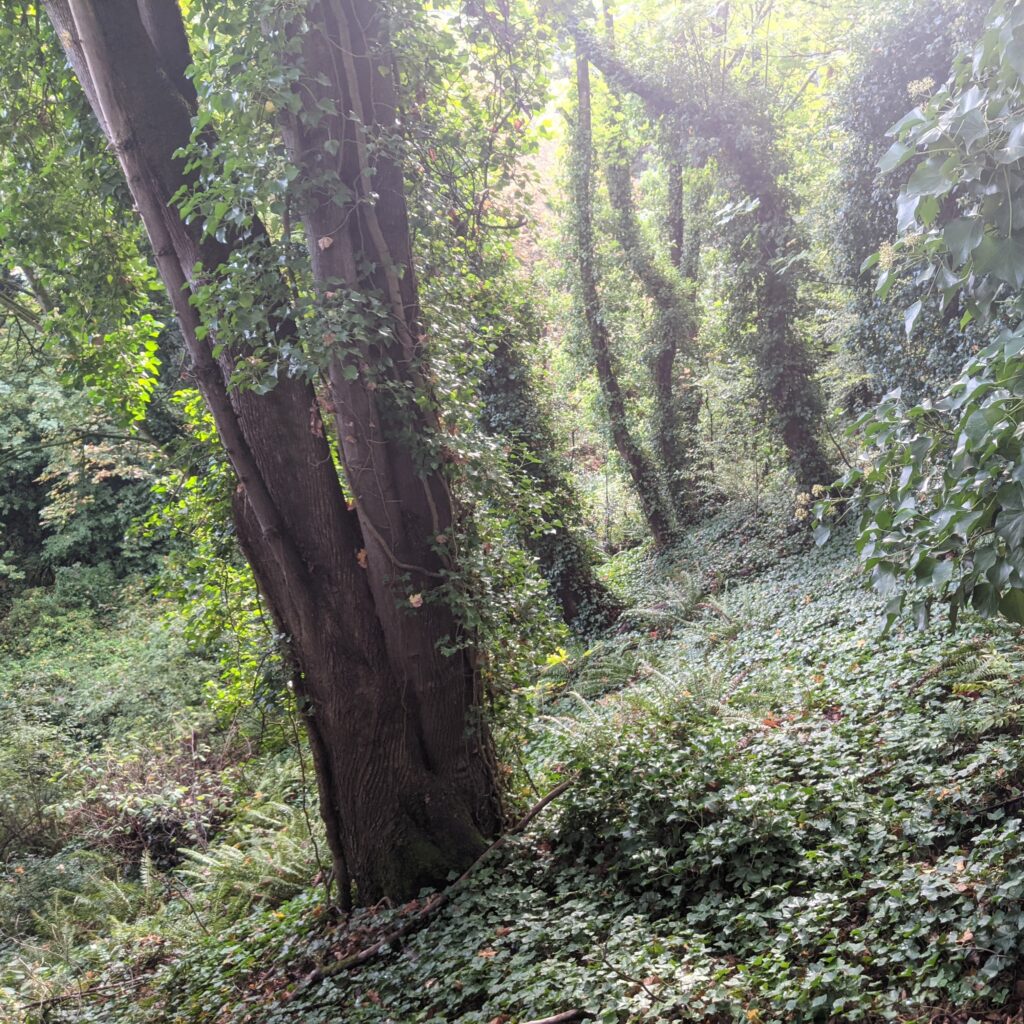
Wolf Creek Ravine is one of Seattle’s precious gems – a forested riparian area in the heart of the upper Queen Anne neighborhood. Unlike most urban forests, Wolf Creek Ravine is owned by multiple stakeholder groups, including Seattle Parks, Seattle Department of Transportation and over a dozen private property owners. In collaboration with King Conservation District, we developed a forest stewardship plan for Wolf Creek Ravine complies with Washington DNR guidelines for integrated forest management plans.